Trusted New Westminster top Concrete Contractor for Quality Craftsmanship
Trusted New Westminster top Concrete Contractor for Quality Craftsmanship
Blog Article
Professional Concrete Contractor for All Your Construction Needs
Retaining a experienced concrete service provider is essential for the success of any construction project. Their competence guarantees that tasks are concluded efficiently and to a high standard. These professionals confront challenges with capability and have established relationships that simplify material sourcing. Grasping local regulations and prioritizing safety are also fundamental aspects of their role. Yet, many fail to recognize the future advantages of choosing the right contractor. What criteria should one weigh when making this crucial determination?
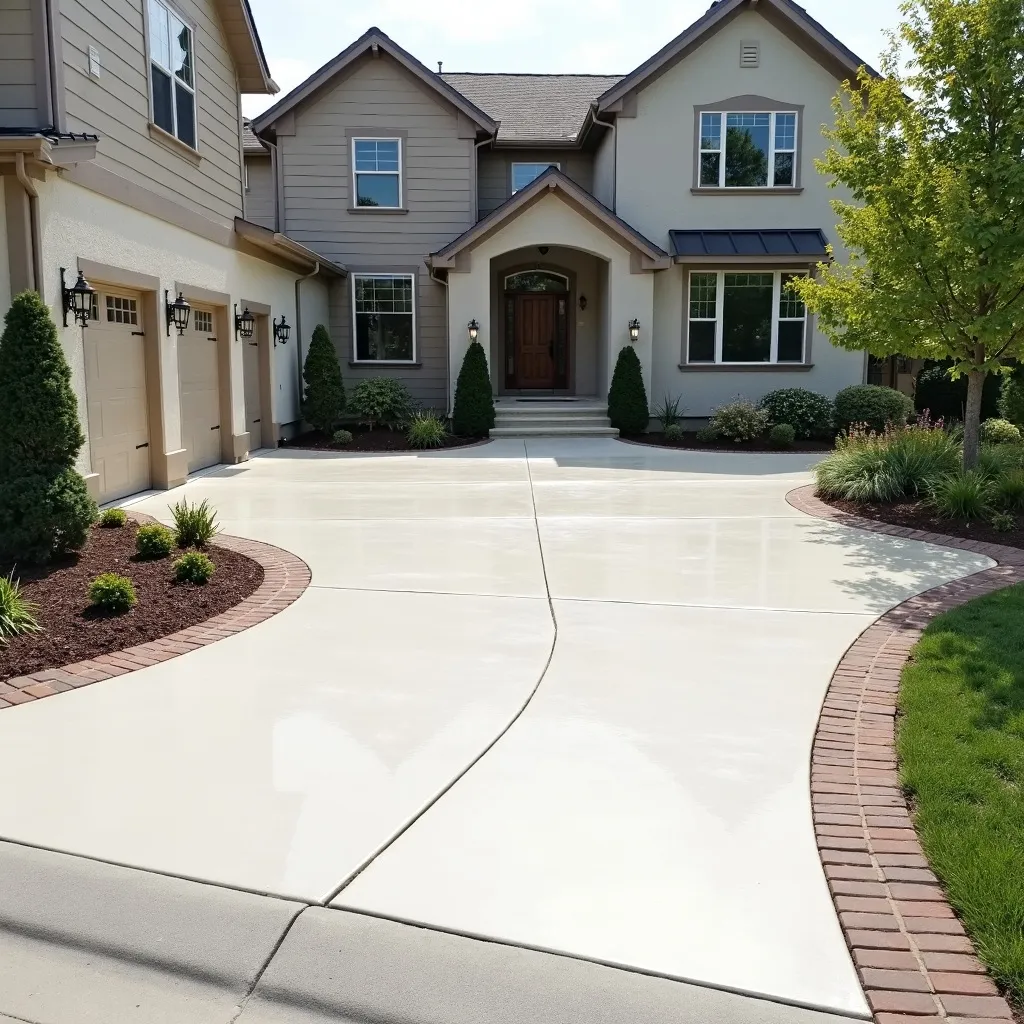
Why Engaging a Veteran Concrete Contractor Is Essential
When examining a building undertaking, the necessity of selecting an experienced concrete contractor cannot be understated. An experienced contractor offers a substantial quantity of understanding and competencies that are important for maintaining the quality and durability of concrete work. Their background with different strategies and materials allows for superior judgment, in turn generating a more solid and trustworthy structure.
Moreover, skilled contractors are proficient at addressing possible difficulties that may surface during the construction process. They are ready to address unexpected issues efficiently, curtailing postponements and additional costs. In addition, an knowledgeable contractor typically has strong relationships with material providers and contractors, which can enhance the procurement of goods and supplies.
Vital Criteria of a Established Concrete Contractor
A reliable concrete construction specialist possesses multiple essential qualities that set them apart in the building sector. First and foremost, strong communication skills are vital; they guarantee that clients are kept updated throughout the project, fostering confidence and understanding. Additionally, a strong track record built on favorable client reviews and referrals demonstrates a contractor's reliability and quality of work.
Additionally, competence with various concrete applications, combined with awareness of the latest techniques and materials, enables them to achieve superior results. Meticulous attention to detail is another vital quality, as it confirms precise measurements and high-quality levels of workmanship.
In the end, a dedication to safety and compliance with standards show professional standards and accountability. By incorporating these characteristics, a dependable concrete contractor not only fulfills client needs but also supports successful project outcomes, making them indispensable in the construction field.
How to Select the Right Concrete Project for Your Requirements
Deciding on the correct concrete assignment requires thorough contemplation of specific needs and objectives. Individuals should begin by considering the intended use of the concrete, whether for driveways, foundations, or decorative elements. A clear knowledge of the project's purpose guides the selection of materials and methods.
Next, budget constraints play an crucial role. Analyzing available financial resources helps in determining the scale and complexity of the project. Additionally, the local climate can impact the selection of concrete type and finishing techniques, ensuring long-term performance and strength.
It is also important to account for the schedule for completing your project. Some concrete applications demand curing time, which may influence scheduling. Consulting with an skilled concrete professional can provide useful information into the best practices and possible choices. Ultimately, aligning the specific details of your project with individual needs leads to a successful concrete undertaking that achieves the intended results.
What You Need to Learn About Local Concrete Regulations?
Recognizing local concrete directives is critical for any construction project, as these rules detail various features of concrete practice, including performance criteria, execution strategies, and environmental considerations. These mandates are typically established by local or state authorities and can detailed article fluctuate considerably from one location to another.
Contractors need to be cognizant of zoning laws, which can determine where concrete structures may be constructed. Additionally, building codes frequently outline the required strength and composition of concrete mixes, guaranteeing safety and durability. Environmental regulations may also enforce the use of eco-friendly materials and proper waste disposal methods to reduce environmental impact.
Not following these regulations can lead to fines, project delays, or even litigation. As a result, engaging with local authorities early in the planning process is recommended. Comprehending and complying with these regulations not only promotes community safety but also enhances the integrity of the construction project.
Why Professional Contractors Conserve You Valuable Hours and Funds
Professional contractors assume a pivotal role in streamlining construction projects, allowing clients to enjoy both time optimization and cost reductions. Their extensive experience enables them to tackle complex tasks swiftly, minimizing the overall project timeline. By leveraging industry connections, professional contractors often secure better rates on materials, translating to lower costs for clients.
Furthermore, their acquaintance with local regulations assures adherence, which minimizes the threat of expensive delays and penalties. Well-organized project management is another essential strength, as these specialists organize manpower and assets, steering clear of congestion that can cause elevated expenses.
Moreover, by employing established methods, expert contractors minimize the likelihood of errors, which can cause costly revisions. Ultimately, hiring an experienced contractor not only improves the caliber of the project but also maximizes budget allocation, making it a sound investment for any construction endeavor.
How Excellent Resources and Techniques Affect Concrete Work
Quality in concrete work is indispensable, as it directly shapes the durability and longevity of any construction project. The choice of high-grade materials plays an important role; inferior concrete can lead to cracking, erosion, and structural failure over time. Using quality aggregates, cement, and additives confirms that the final product can withstand environmental stresses and heavy loads.
Also, adopting innovative methods in the mixing, pouring, and curing procedures notably bolsters the strength of the concrete. Proper mixing ratios and maturation techniques help achievement of maximum strength and reduce vulnerabilities. Veteran contractors understand these nuances and practice quality standards to secure superior results.
Ultimately, investing in high-quality materials and methods not only enhances the structural performance but also reduces ongoing maintenance expenses. This foundation of reliability is essential for both commercial and residential projects, assuring that they endure through the years. Quality in concrete work is an investment that pays dividends.
Regularly Requested Questions
What Types of Cement Solutions Do Professionals Typically Provide?
Concrete contractors frequently furnish a selection of services including foundation pouring, driveway setup, decorative concrete work, slab construction, creating patios and sidewalks, resurfacing and repair work, as well as concrete demolition and recycling.
What is the usual timeline for a standard concrete task?
A standard concrete project regularly takes between one to three days, relying on factors such as project size, complexity, weather conditions, and curing time. Larger or more intricate projects may call for additional time for completion.
What Are the Standard Warnings of Inferior Concrete Work?
Common warnings of deficient concrete application feature surface fractures, uneven surfaces, faulty water flow, staining, flaking, and granular breakdown. These issues typically point to inadequate curing, incorrect proportioning, or insufficient preparation, weakening the foundation's strength and longevity.
Is it Possible to Request Custom Designs for My Concrete Project?
Yes, tailored designs for concrete installations can be inquired about. Numerous builders offer adaptability in design, allowing clients to integrate special elements and design qualities that suit their vision, enhancing both functionality and appearance.
How Do Climate Factors Effect Concrete Setting Processes?
Climate conditions greatly influence concrete setting. High temperatures can accelerate drying, leading to cracking, while cold can slow the process, risking incomplete hydration. Ideal curing necessitates moderate temperatures and controlled moisture to assure durability and strength.
Report this page